
Colorado Gardening: Strategies for a Dry Summer
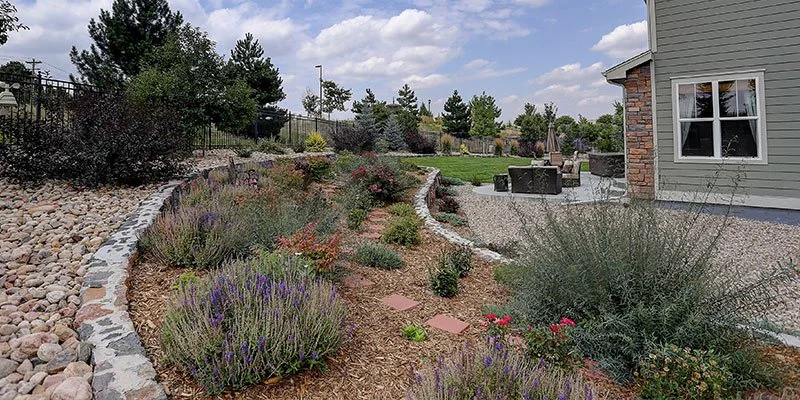
Gardening in Colorado comes with unique challenges—and rewards. With its high elevation, intense sun, unpredictable weather, and naturally dry conditions, successful gardening requires a thoughtful approach. In 2026, those challenges may be even greater, as much of the state is experiencing drought conditions and preparing for possible water restrictions.
Colorado’s climate is defined by low humidity, wide temperature swings, and limited precipitation. Many areas rely heavily on mountain snowpack for water, and this year’s snowpack levels are among the lowest on record, raising concerns about water availability throughout the summer. In fact, communities along the Front Range are already implementing or considering watering restrictions, with some limiting outdoor watering to just a few days per week.
Because of these conditions, water-wise gardening is essential. One of the best strategies is to choose plants that are well-suited to Colorado’s semi-arid environment. Native plants and drought-tolerant varieties require less water and are more resilient to temperature fluctuations. Replacing traditional lawns with native grasses or xeriscaping can significantly reduce water use while still creating an attractive landscape.
Efficient watering practices are equally important. Water early in the morning or in the evening to reduce evaporation, as watering during the heat of the day is often restricted and less effective. Most guidelines recommend watering no more than two to three times per week, depending on local regulations and weather conditions. Using drip irrigation or soaker hoses can deliver water directly to plant roots, minimizing waste.
Soil health also plays a major role in conserving moisture. Adding compost and mulch helps the soil retain water and protects roots from extreme temperatures. Mulch can significantly reduce evaporation and keep plants healthier during dry spells. Even established trees and shrubs may need occasional deep watering during extended dry periods to prevent long-term damage.
Flexibility is key in Colorado gardening. Weather conditions can change quickly, and gardeners should be prepared to adjust watering schedules and plant choices as needed. Keeping an eye on local water guidelines and drought updates will help you stay compliant while protecting your landscape.
With the right strategies—choosing appropriate plants, conserving water, and improving soil—you can create a beautiful, resilient garden that thrives even in Colorado’s challenging climate.
Click here to read this month’s issue or explore the Senior Voice Archives!
