
The internet makes it easier than ever to shop, pay bills, stay in touch with family and manage important accounts. But convenience also comes with risks. Scammers and hackers are constantly looking for personal information they can use to steal money or commit identity theft. A few simple habits can help keep your information safer.
Use strong, unique passwords. Avoid using the same password for multiple accounts. If a criminal obtains one password, they may try it on your email, banking and shopping accounts. Consider using a password manager to create and securely store unique passwords. Your email account deserves especially strong protection because it may be used to reset passwords for other accounts.
Turn on two-factor authentication. Also called two-step verification or multifactor authentication, this requires an additional form of identification, such as a code sent to your phone or generated by an authentication app. Even if someone learns your password, the extra step can make it much harder for them to access your account.
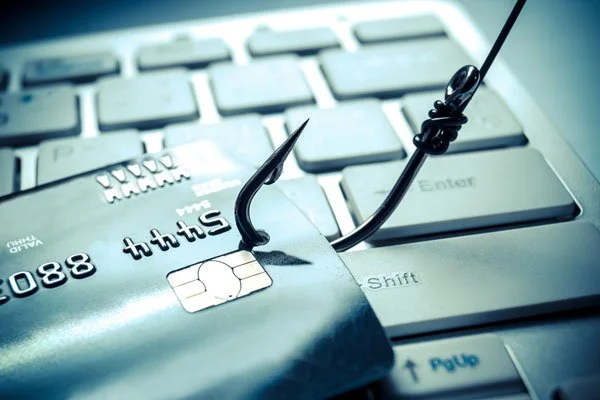
Be suspicious of unexpected messages. Phishing scams often arrive by email, text or social media. A message may claim that there is a problem with your bank account, package delivery or an online purchase and urge you to click a link immediately. Instead of clicking, open the company's official app or type its website address into your browser yourself.
Limit what you share. Be careful about posting personal information such as your full birth date, home address, travel plans or details about family members. Information that seems harmless can sometimes help a scammer answer security questions or create a convincing impersonation.
Keep devices updated. Install operating system and app updates when they become available. These updates frequently include security fixes. Use a screen lock on your phone, tablet and computer, and avoid accessing sensitive accounts through public or unsecured Wi-Fi whenever possible.
Finally, regularly review your bank and credit-card statements. Quick detection can make it easier to report unauthorized activity and limit potential losses.
Being safer online does not mean giving up the convenience of technology. It means slowing down when something seems unusual, protecting your passwords and treating unexpected requests for personal information with healthy skepticism.
