
Lulu City: A Colorado Ghost Town
By P.J. Hunt
Lulu City is an abandoned silver mining camp in the mountains west of Fort Collins. It was located in the Kawuneeche Valley near the headwaters of the Colorado River, within what is now Rocky Mountain National Park.
In 1879, Fort Collins-area prospector Joseph Shipler and several companions discovered silver in the area. News of the discovery brought a rush of prospectors. Fort Collins businessman Benjamin F. Burnett and rancher William B. Baker later organized a company to establish Lulu City, and the townsite was surveyed and platted in 1880. The town was probably named for Lulu, a daughter of one of the men associated with its development.
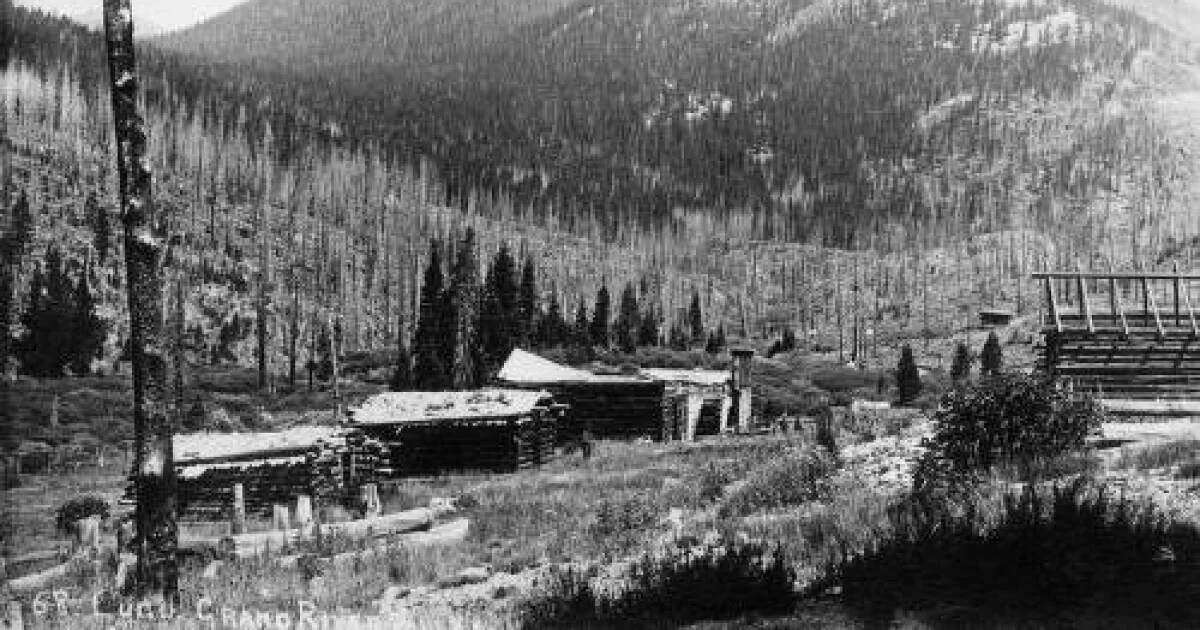
By 1881, Lulu City had as many as 500 residents and dozens of cabins, along with stores, a hotel, a butcher shop, sawmills, an assay office and other businesses. There were also saloons and other establishments that typically followed a mining boom. Roads and stage routes connected the remote settlement with surrounding communities, although travel into the mountains could be difficult and slow.
The boom did not last. The silver ore proved to be of poor quality, and the cost of mining and transporting it was high. By 1884, the mines were rapidly closing, and most businesses and residents had left. A few people remained for a time, but Lulu City eventually became a ghost town.
You cannot drive to Lulu City, but it can be reached by trail from the Grand Lake side. The National Park Service lists the hike from the Colorado River Trailhead to the historic site at about 3.7 miles. The trail follows the Colorado River into the Kawuneeche Valley, offering hikers a glimpse of the landscape that attracted prospectors nearly 150 years ago.
If you hike from the Grand Lake side, you will also encounter the history of the area’s early tourism. Nearby was the place associated with “Squeaky” Bob Wheeler, a colorful pioneer who operated a tourist lodge beginning in the early 1900s. He was known for his cooking and for welcoming visitors to the remote valley. The National Park Service notes that Wheeler’s original lodge was later known as the Phantom Valley Ranch.
In 1926, Lester Scott acquired the property and gave it the name Phantom Valley Ranch. According to local historical accounts, Scott said the name came from an unusual experience he had while riding through the valley from Lulu City. In the quiet mountain landscape, he felt as though he were in the presence of spirits from a much earlier time.
Today, only a few physical remains of Lulu City can be seen, including remnants of a log cabin and traces of former buildings. Yet the setting makes it easy to imagine the excitement that once brought hundreds of people into this isolated valley. Although the town lasted only a few years, its story remains part of Colorado history.
