
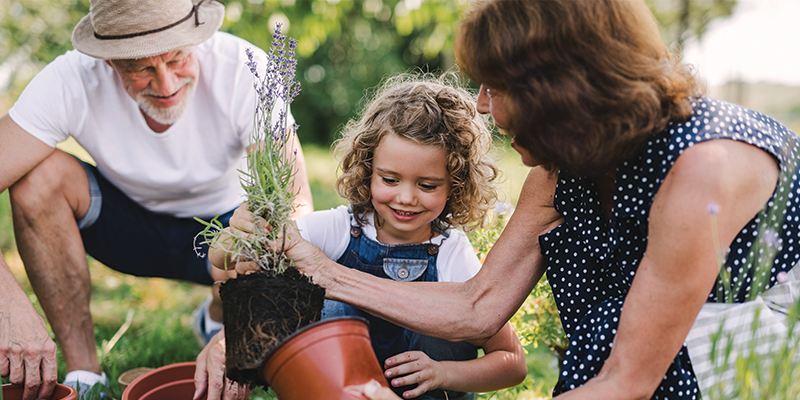
Gardening is more than a hobby or a way to beautify your home—it can have powerful benefits for mental health. For adults over 55, spending time in the garden can improve mood, reduce stress, and foster a sense of purpose. With its combination of gentle physical activity, outdoor exposure, and creative expression, gardening supports both body and mind.
Tending to plants encourages mindfulness, helping you focus on the present moment. Studies show that interacting with nature can lower cortisol levels, the hormone associated with stress, and reduce anxiety. Even short daily sessions of gardening can provide a sense of calm that carries over into other areas of life.
Gardening also stimulates the release of endorphins, the body’s natural “feel-good” chemicals. Regular gardening can lift mood and help relieve mild symptoms of depression. For older adults, who may face social isolation or changes in daily routines, caring for plants provides structure and accomplishment. Watching flowers bloom or vegetables grow can instill pride and satisfaction, which is essential for mental well-being.
Although it may not feel strenuous, gardening involves a variety of movements—bending, stretching, digging, and lifting—that promote flexibility, strength, and overall physical health. Physical activity itself supports mental health by increasing blood flow to the brain, reducing inflammation, and improving sleep. These benefits are especially valuable for older adults, helping maintain cognitive function and energy levels.
Gardening also challenges the mind. Planning a garden, choosing plants, and tracking growth patterns stimulate problem-solving skills and memory. Such mentally engaging activities can help delay age-related cognitive decline.
For those who garden with others, the social aspect is an added benefit. Community gardens, clubs, and neighborhood planting projects allow older adults to connect with peers, reducing loneliness and fostering a sense of belonging.
The hands-on, repetitive nature of gardening promotes mindfulness by encouraging focus on sensory experiences—the smell of soil, the feel of leaves, and the sight of blooms. This mindfulness can reduce anxiety, enhance mood, and improve mental resilience.
Whether tending a small balcony herb garden, a backyard vegetable patch, or participating in a community garden, gardening can nurture your mind as much as your plants. By incorporating gardening into your routine, you can enjoy the calming, restorative, and uplifting effects that come from connecting with nature and cultivating life.
Click here to read this month’s issue or explore the Senior Voice Archives!
